The team that has built
every layer of the stack.
Player One Space builds autonomous defence for satellites. We build the brain that goes on any satellite — and the propulsion that moves it. Detect, decide, manoeuvre.
Satellites are blind and immobile.
That is the defining vulnerability of the space age. Fix both and you have a satellite that can detect a threat, classify it, and manoeuvre to safety — autonomously.
Satellites cannot see threats
Warnings go to people on the ground, who reach the satellite a few times a day. A close approach takes seconds. Most satellites carry no onboard intelligence to detect a threat and act on their own.
Satellites cannot afford to move
More than 80% of CubeSats launch with zero propulsion, priced out of toxic, expensive options. A satellite that cannot manoeuvre is a sitting target — for proximity operations, debris, and deorbit mandates it cannot meet.
One company.
One system.
Detect, decide, manoeuvre. P1S Buddy is the brain. P1S PELTAST-X is the muscle. Each part also stands on its own, and Buddy works with third-party thrusters. Together they close the loop on one satellite. Our core models and decision thresholds are protected as trade secrets. We design by the NASA Systems Engineering Handbook: clear requirements, interfaces, reviews, and integration and test.
A sovereign capability,
built in Canada.
Canada has named space domain awareness a priority for strategic autonomy. Its satellites watch the Arctic and the North Atlantic first. We are a Vancouver company — the principal AI work is done here, by the founding team, and the IP stays in Canada. Allied program offices get the capability from a supplier inside their own borders.
Built by engineers
who have shipped.
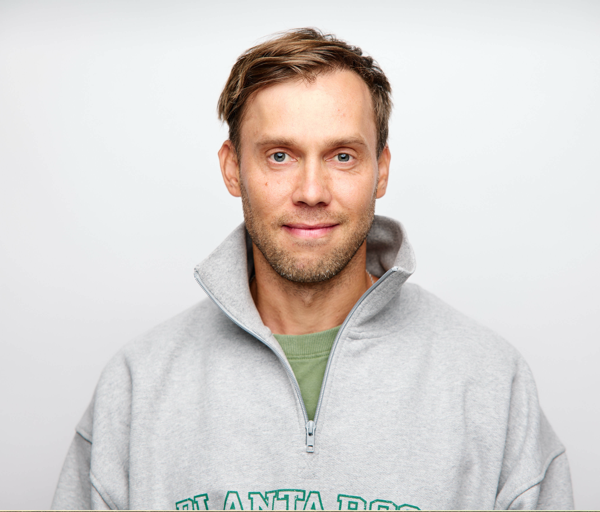
Dima
Started in spacecraft hardware. Built large-scale data platforms at Amazon Devices, the same organization that builds Project Kuiper. 15+ years building data and AI platforms. PhD, Mechanical Engineering.
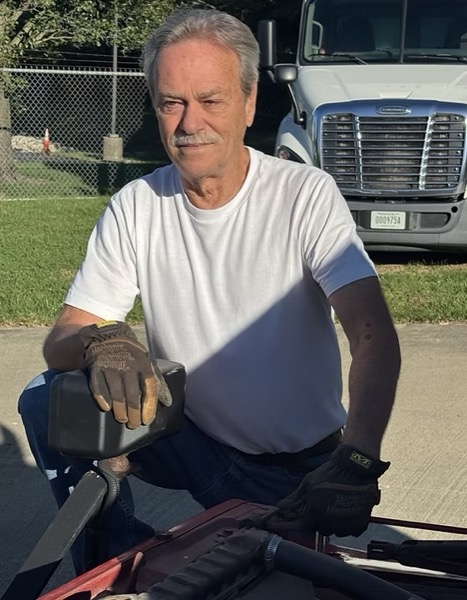
Jay
Inventor of the P1S PELTAST-X water-fuelled thruster. Holds 12 patents from earlier work in advanced hardware and power electronics. Owns the technical architecture across both products and leads the propulsion track.
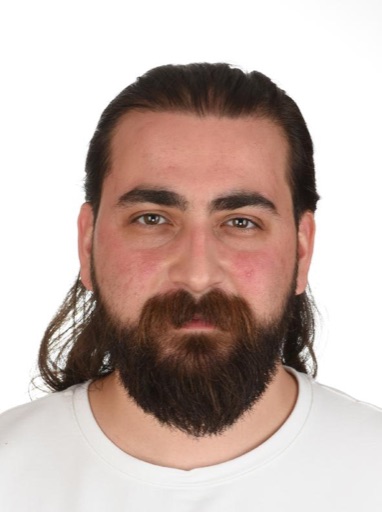
Umut K.
Spacecraft architecture, ADCS and electric propulsion across seven platforms and 21 satellite missions at Plan-S, alongside Dr. Umut Yıldız. Took an electric propulsion system from concept to product.
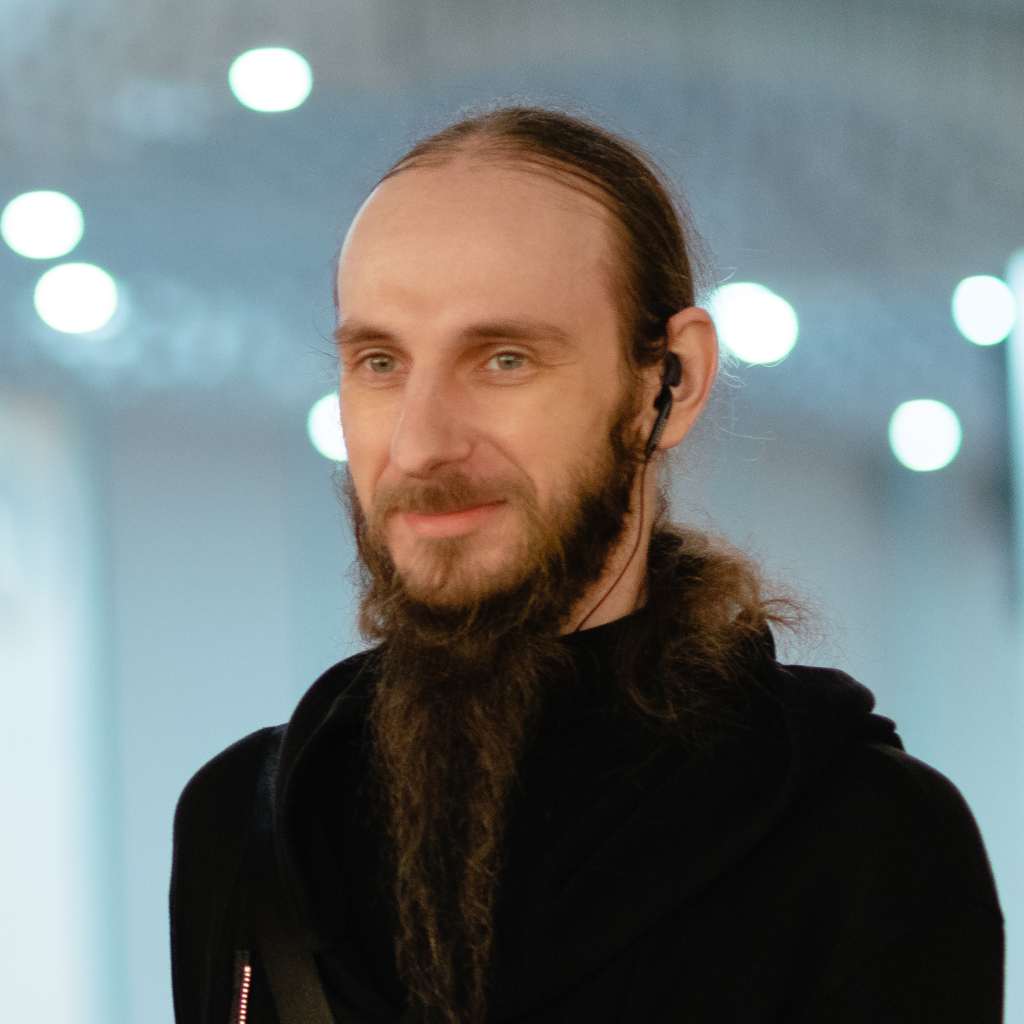
Vladimir
Computer vision and autonomous systems — satellite and SAR imagery, pose estimation, and reinforcement learning for collision avoidance. Builds models that run on constrained edge hardware. Works with our CEO on the onboard perception stack: model training, quantization and edge deployment.
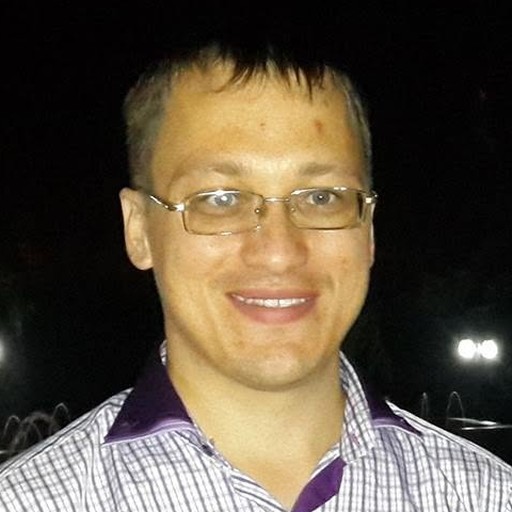
Sergey
25+ years in embedded and safety-critical software, including DO-178C certified avionics. Previously architected industrial robotics deployed across Canada and the USA. Owns the propulsion controller linking the autonomy engine to the thruster.
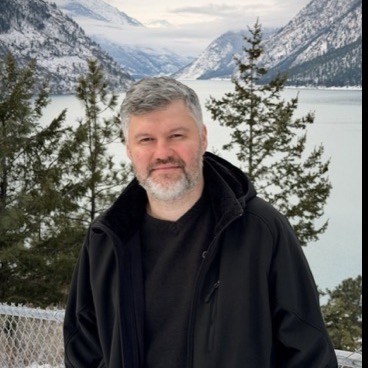
Anton
Environments supervisor at Industrial Light & Magic; previously Digital Domain and DNEG. Architects Hollywood-grade Unreal Engine worlds and synthetic data generation pipelines for machine-vision training, grounded in aerospace systems engineering.
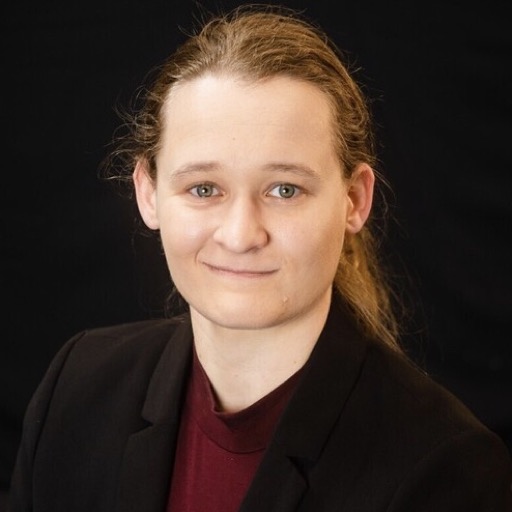
Elisabeth
Built computer vision for spacecraft rendezvous, including pose estimation and tests for hard lighting with the Sun, Moon and Earth in view. Calibrated and validated cameras for the WildFireSat constellation. Works with YOLO-family detectors, segmentation and tracking.
Stas
10+ years in Python and applied machine learning. Led an R&D team of three building LLM agents, then tech lead on long-running LLM workflows. Builds ML pipelines, MLOps and our GPU training server.
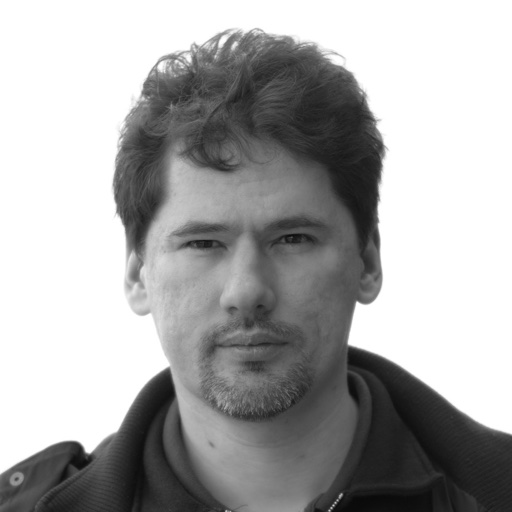
Dennis
Mission experimenter for the European Space Agency and software developer in aerospace and GIS. Space-sector entrepreneur. Peer-reviewed papers on interplanetary and interstellar spaceflight, presented at the 2011 NASA/DARPA 100-Year Starship Symposium and the 2026 Mars Society Convention.
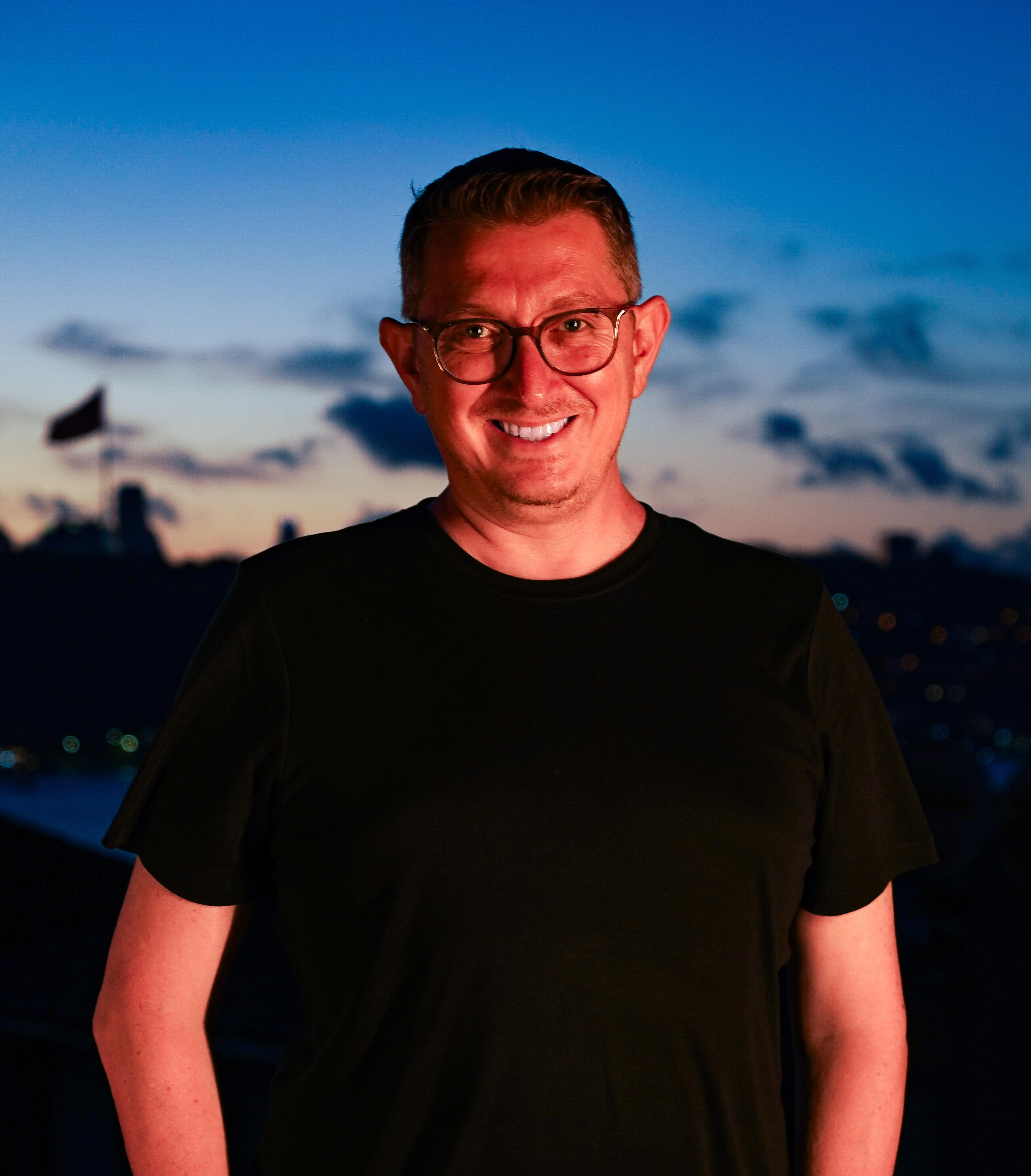
Dr. Umut Yıldız
NASA / JPL researcher and Caltech postdoc. Chief Scientific Officer at Plan-S, where he and Umut Kızılyamaç delivered 21 satellite missions together. PhD Astrophysics, Leiden University.
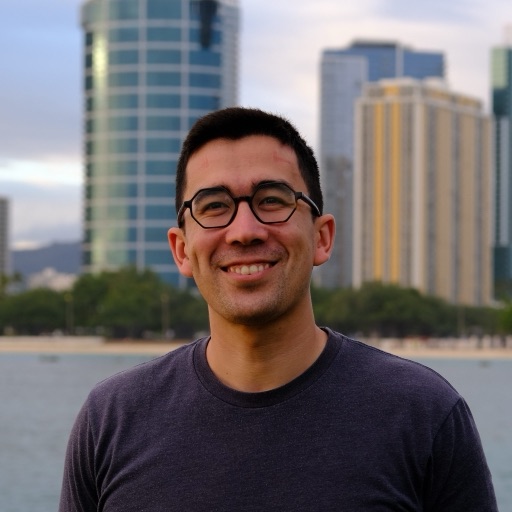
Dr. Cyrus Neary
Assistant Professor at the University of British Columbia, working on AI systems for autonomy, robotics and control. Previously a postdoctoral researcher at Mila. PhD, UT Austin.
Dr. Manish Jugroot
Professor of Mechanical and Aerospace Engineering at the Royal Military College of Canada and Director of the RAPPEL Lab. Research spans plasmas, electric spacecraft propulsion and nanosatellites.