Autonomous
Defence For
Satellites
Onboard AI that detects, decides and manoeuvres. No person in the loop. P1S Buddy is the brain. P1S PELTAST-X is the legs.
Space is getting crowded.
Satellites cannot protect themselves.
16,900 more small satellites by 2035
Most of them have no way to move. Orbit gets busier every launch.
The ground reacts in hours
Warnings go to people on the ground, who reach the satellite a few times a day. A close approach takes seconds.
Everyone else waits
Starlink dodges on its own, 300,000 times last year. Defence satellites are now targets. Most other satellites wait for the ground.
The brain decides.
The legs move.
Reaction drops from hours to seconds. It works even when the link to the ground is jammed.
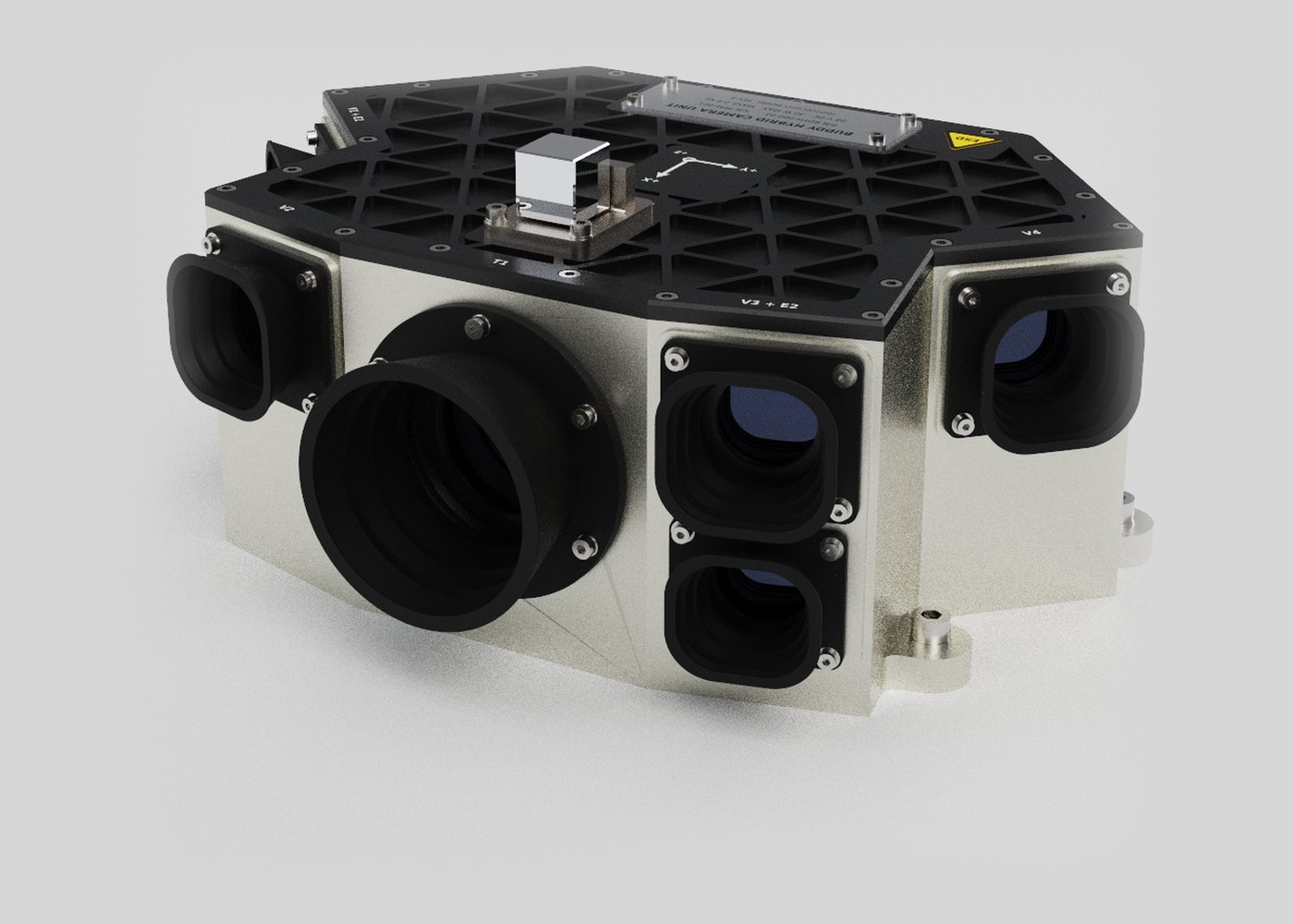
P1S Buddy
The onboard AI engine that makes autonomous decisions and delivers real-time intelligence from orbit — no ground loop. It commands propulsion through a safety-bounded interface: our own thruster, or any third-party thruster a satellite already carries.
Learn more →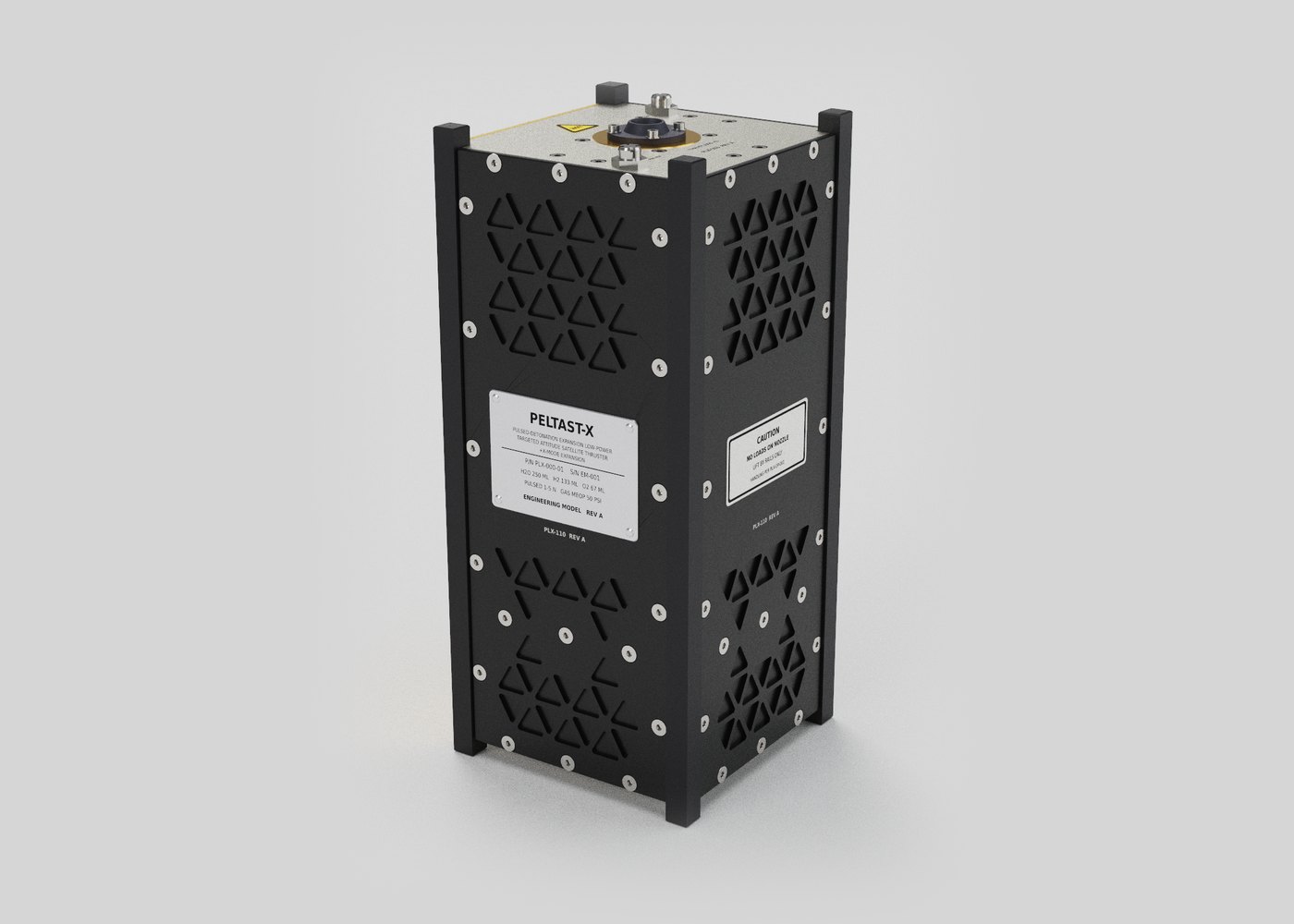
P1S PELTAST-X
A water-fuelled hybrid thruster: precise cold-gas modes for routine work and a pulsed combustion mode for short, strong manoeuvres. Launches with 250 mL of plain water, unpressurized. Built for Buddy's command interface.
Learn more →One kit for defence
and commercial.
Defence & government
Move away from threats
National security satellites spot a hostile approach and move away on their own.
Act when the link is jammed
The satellite keeps manoeuvring when the link to the ground is jammed or down.
Fast onboard alerts
Threat detection runs onboard. A small alert reaches the ground in seconds, not a video download.
Commercial
Automatic collision avoidance
Avoid collisions and hold the orbit slot with no person in the loop.
Protect expensive satellites
Watch for close approaches and react before they become a problem.
Lower risk, clean exit
A satellite that can move is a lower risk, and it can deorbit within the 5-year rule.
Dual use.
A large, open market.
Sources: US Space Force FY2026 request · SSA market research 2025–2030 · Novaspace 2026. The ~7,400 share is our estimate.
The window is open now.
Within three years, the number of satellites in orbit will more than double. Space is becoming contested, and no ground team can watch that many satellites or react in time. Satellites will need to defend themselves.
Orbit is contested
Adversary satellites already park next to Western satellites without warning.
AI fits on a small satellite
Edge compute now runs live AI inside a small satellite, at low power.
Defence money is moving
Lonestar paid up to $6M for satellite defence. France bought a defence satellite from a start-up.
Five years to come down
Every satellite must leave orbit within 5 years of end of life. That takes a way to move.
Notes from the edge of space.
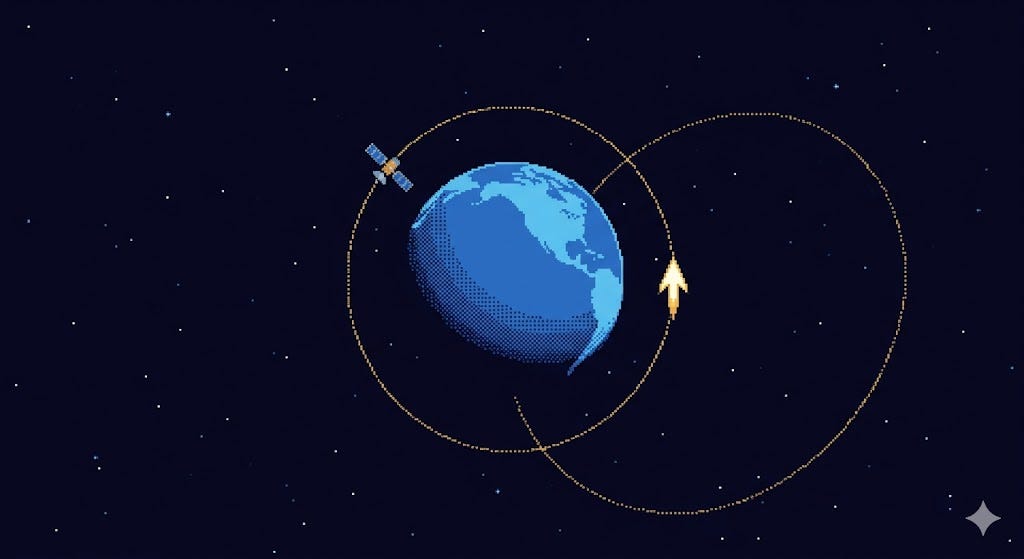
The Long Fall Home: How Satellites Move, Maneuver, and Eventually Die
Speed Is the Budget. Propellant Is the Cash.
Read post →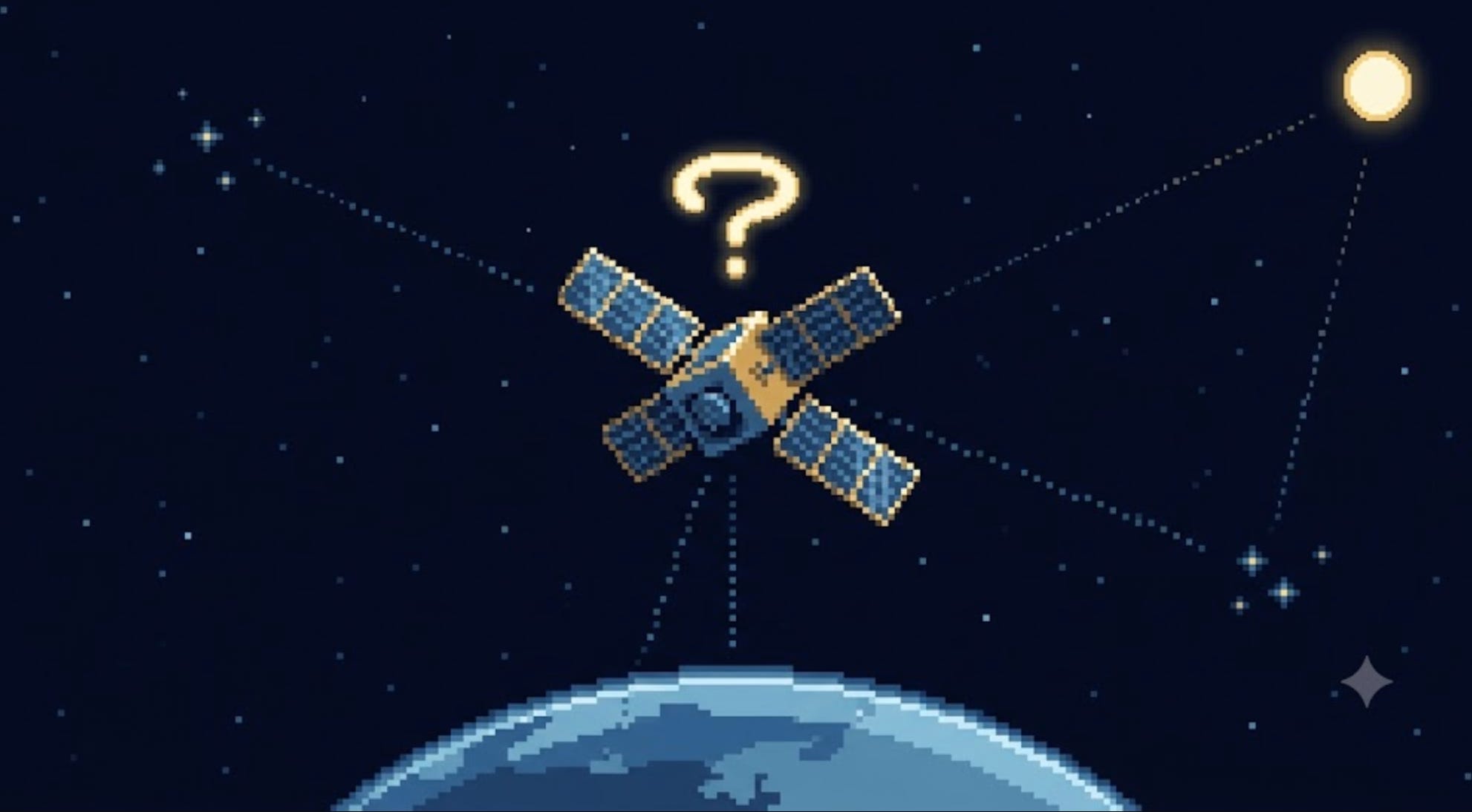
Lost in Space: How a Satellite Knows Where It Is and Where It’s Pointing
The Complete Guide to Satellite Attitude, Position, and Autonomous Survival
Read post →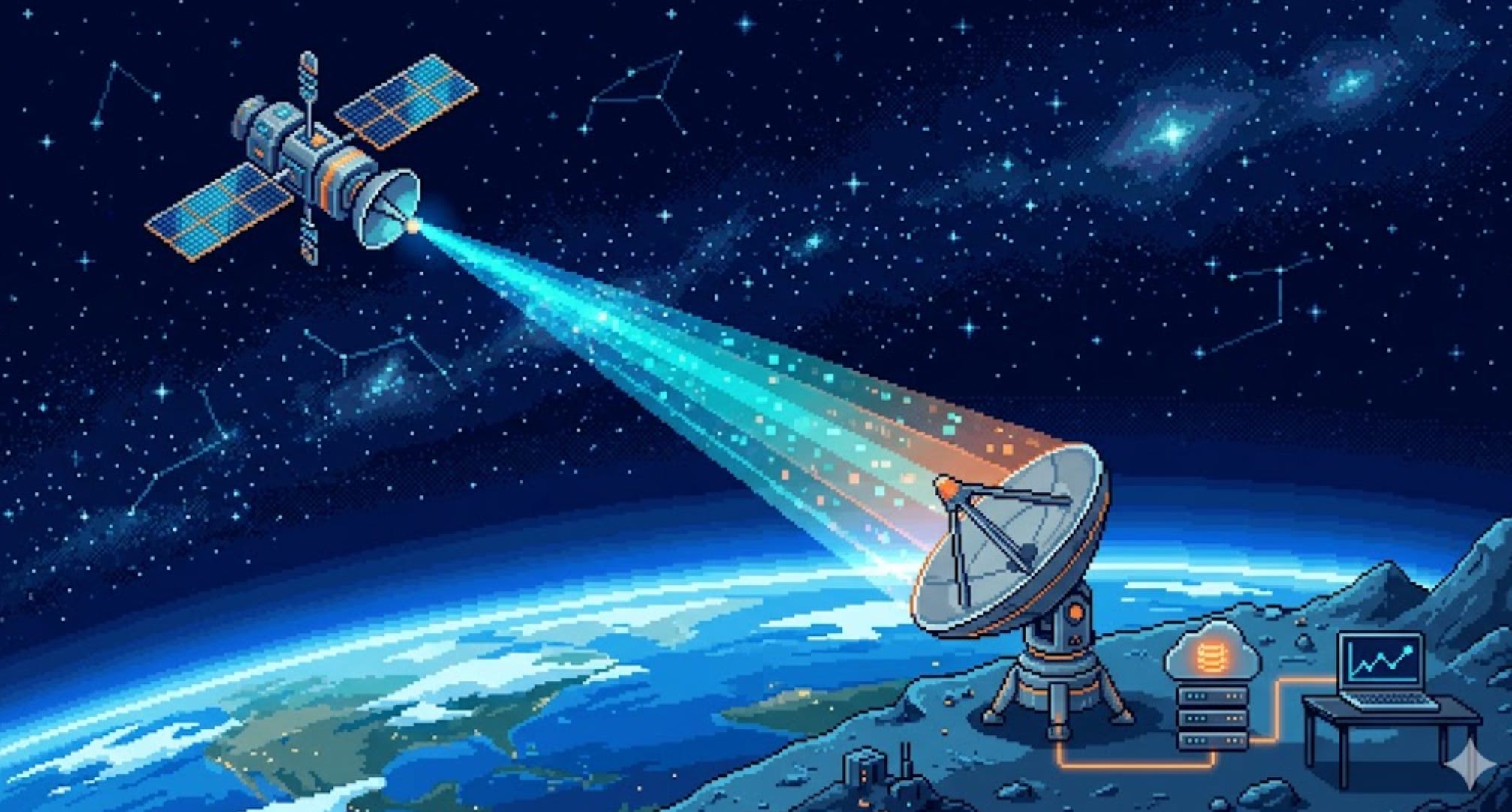
From Orbit to Your Screen: How Data Actually Gets Down From Space
From Sputnik's beep to a 25-gigabit laser — the end-to-end story of space-to-ground data.
Read post →Building what comes after launch.
Detect. Decide. Manoeuvre. The self-defending satellite.
Get in Touch